The Stunning 1888 William Luther Carlin House in Ohio
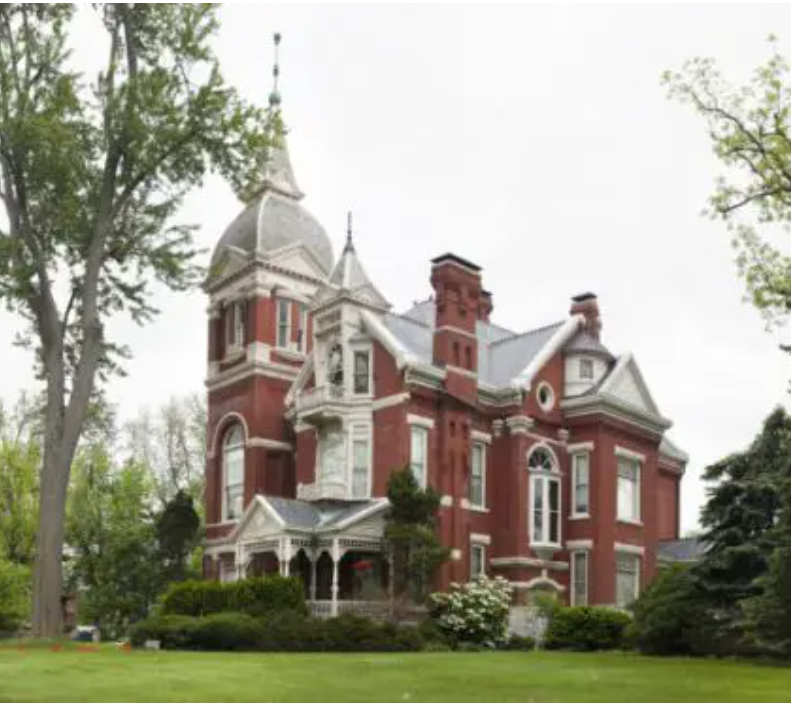
The William Luther Carlin House | c.1888 | Findlay, Ohio
1109 South Main Street, Findlay, Ohio 45840
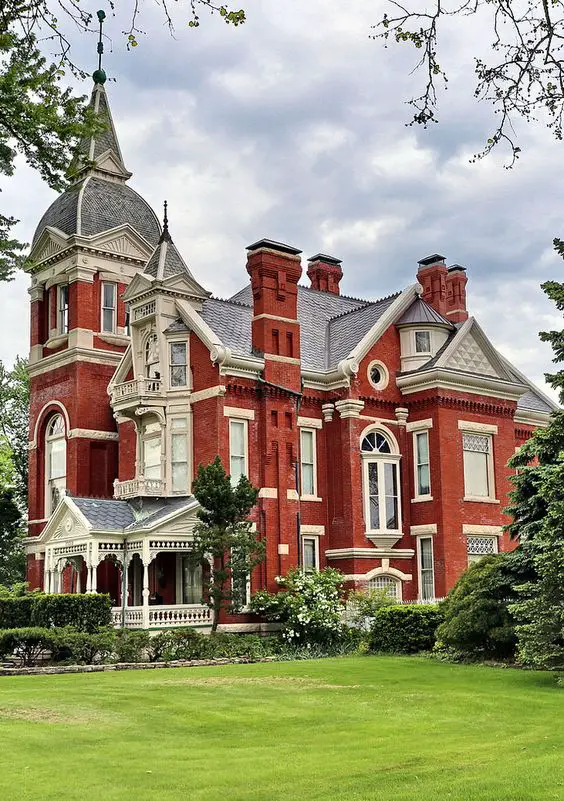
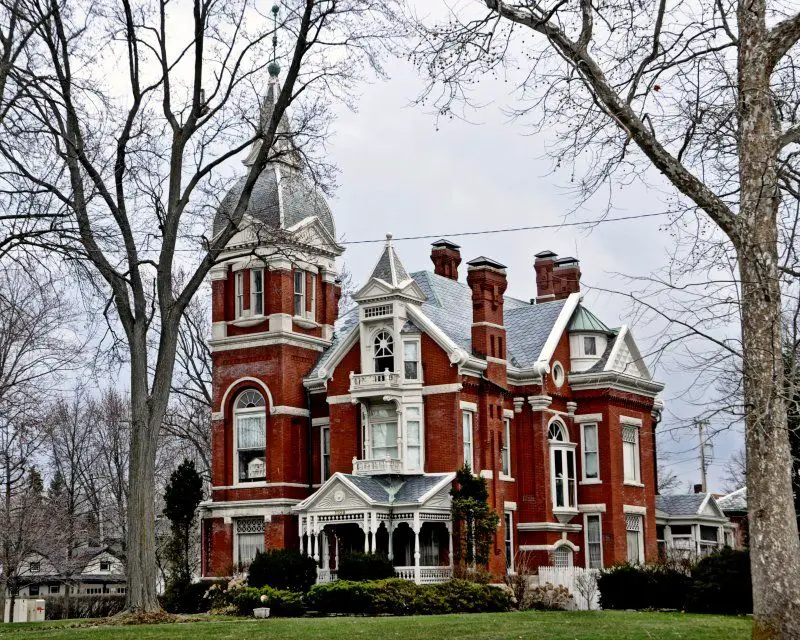
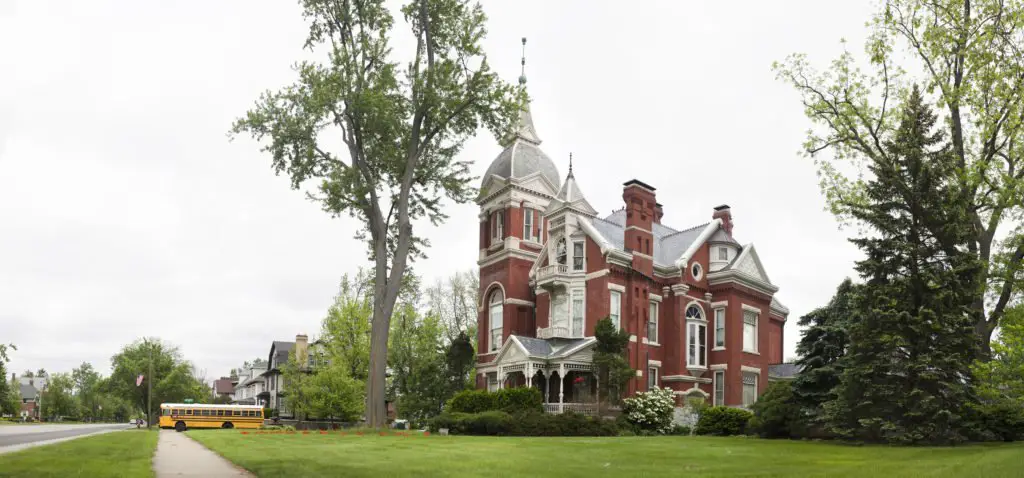
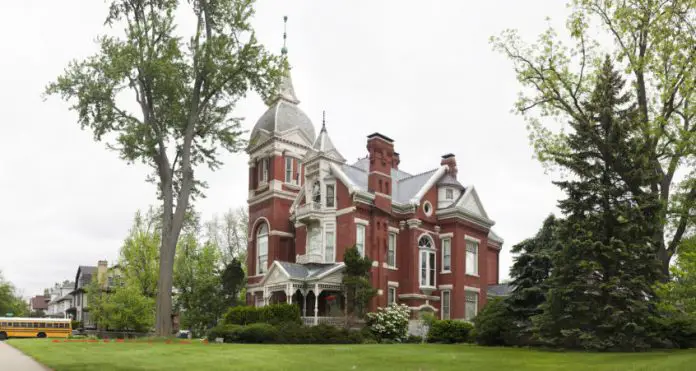
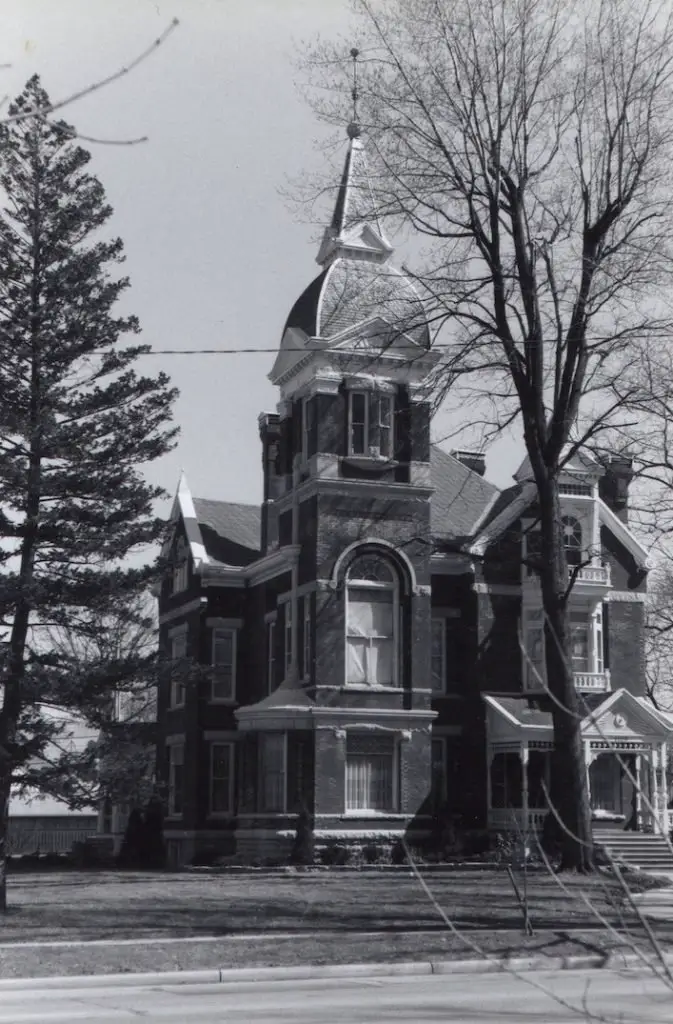
The William Luther Carlin House stands as one of Findlay’s most distinguished pieces of real estate and a living symbol of the city’s rich heritage. Built in 1888 during a time of rapid growth and prosperity, this grand Victorian Gothic home is more than a historic structure—it’s a story carved in brick and wood, a lasting reminder of the ambition and artistry that shaped early Findlay. Now listed among the city’s most significant homes, it continues to draw admiration from architecture enthusiasts, realtors, and history lovers alike.
This home was originally commissioned by William Luther Carlin, grandson of Squire Carlin—one of Findlay’s early founders in the 1820s. William carried on his family’s civic legacy with distinction, serving as Mayor of Findlay in 1886 before representing the area as a state senator from 1888 to 1890. The construction of his home reflected not only personal achievement but also a deep pride in the growing city he helped lead. In an age when architecture was a reflection of social standing and civic identity, the Carlin House represented both prestige and permanence.
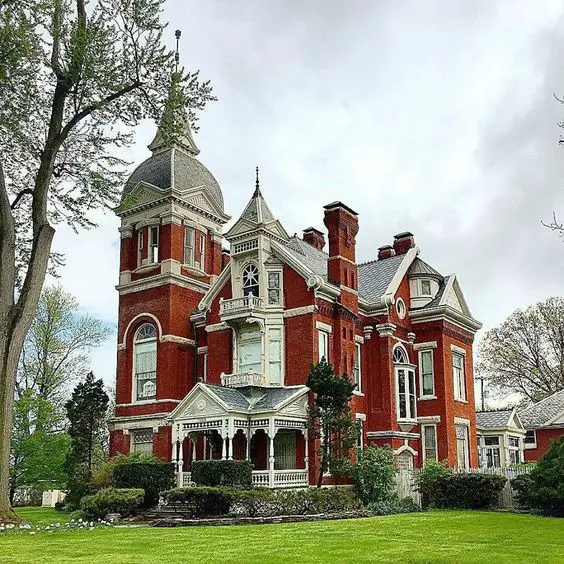
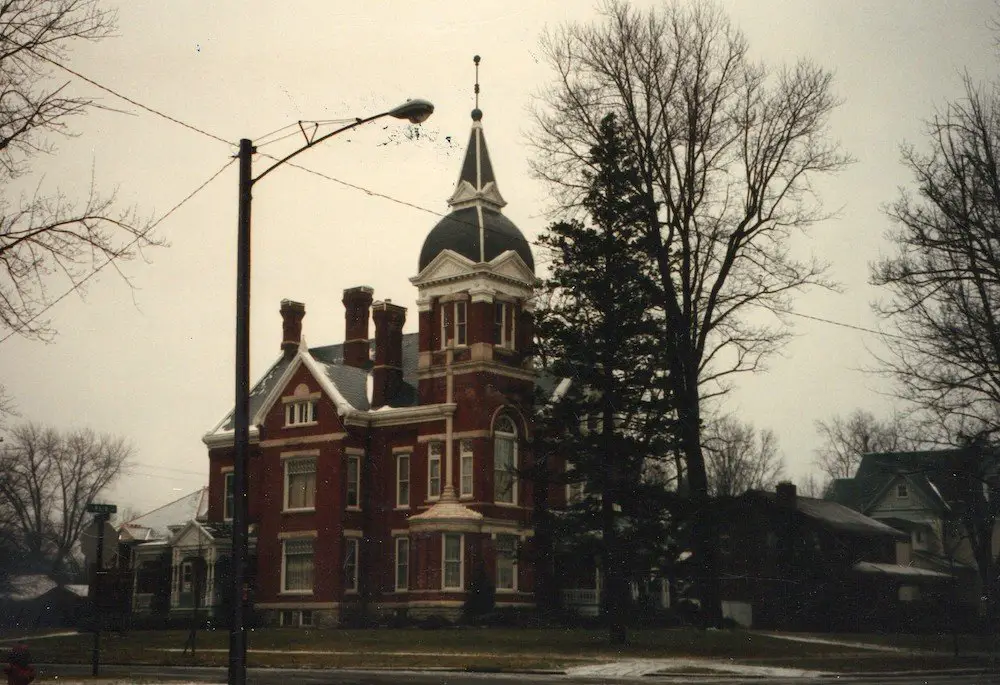
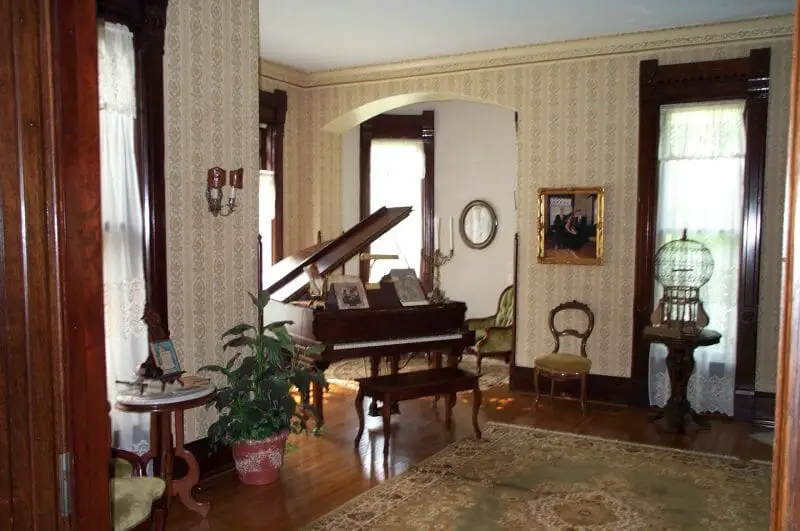
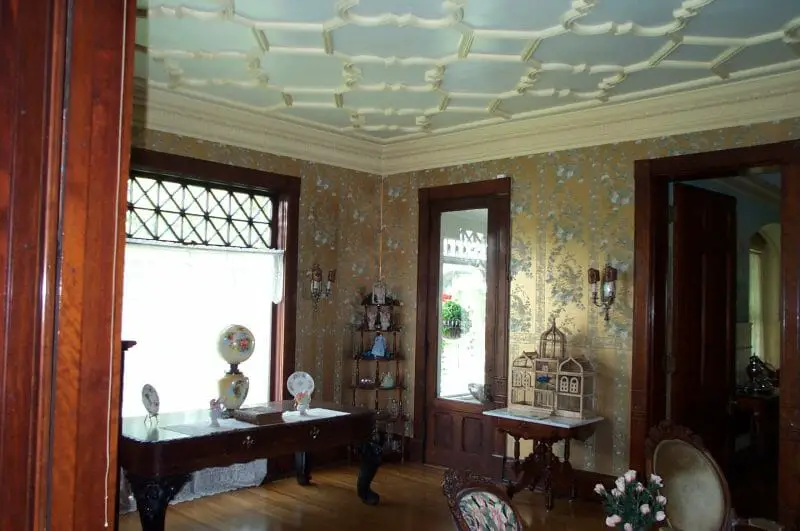
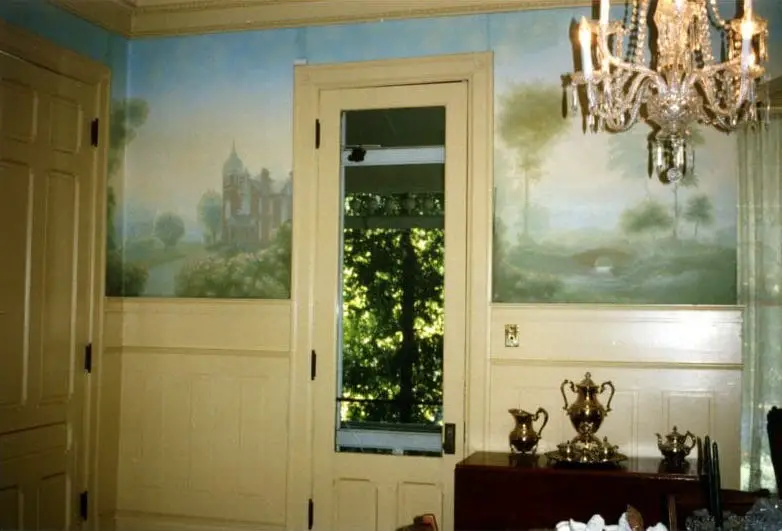
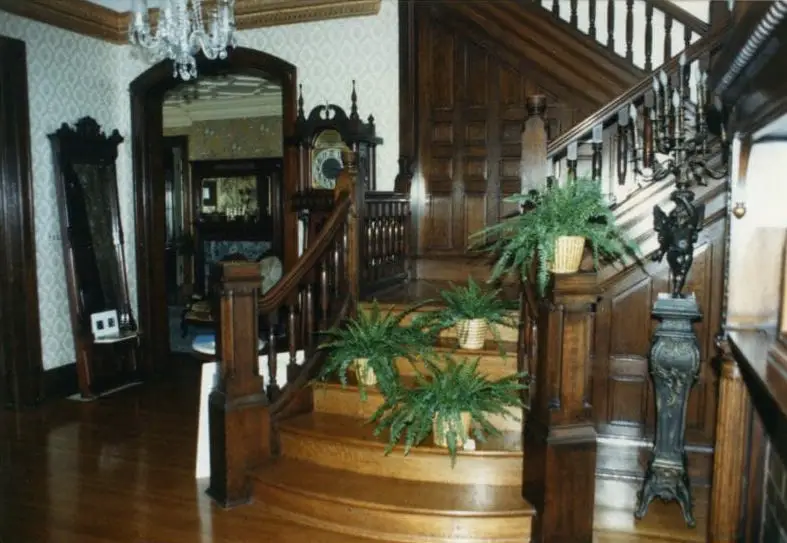
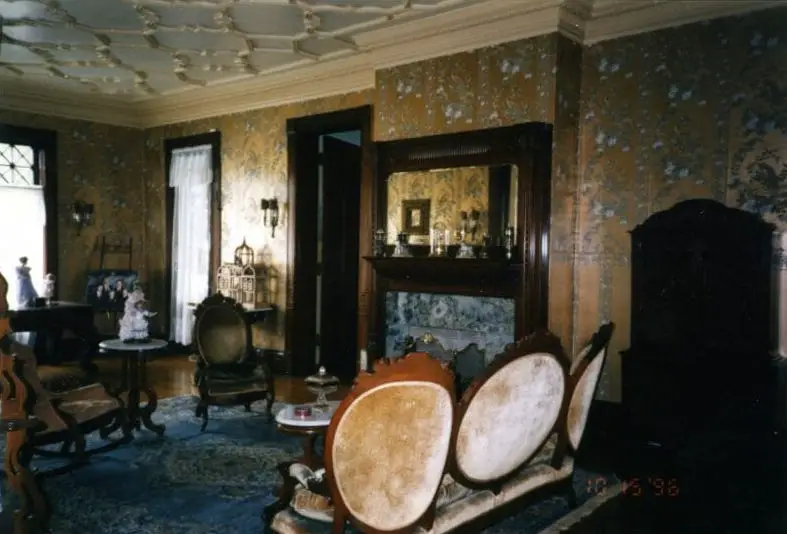
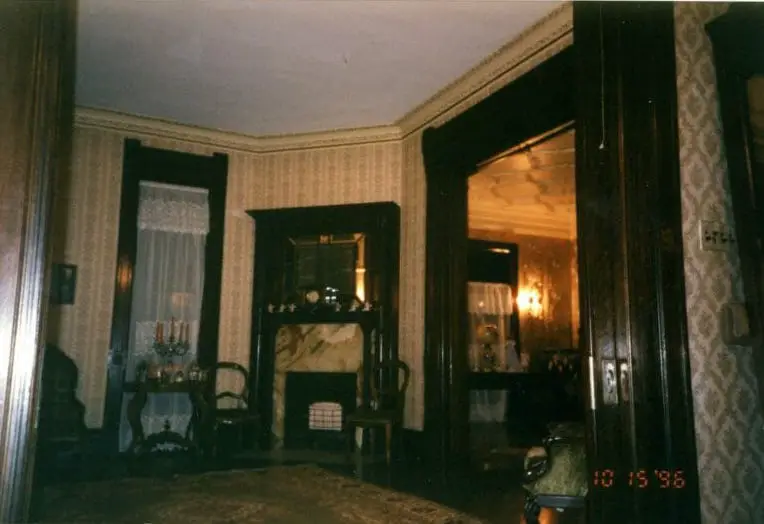
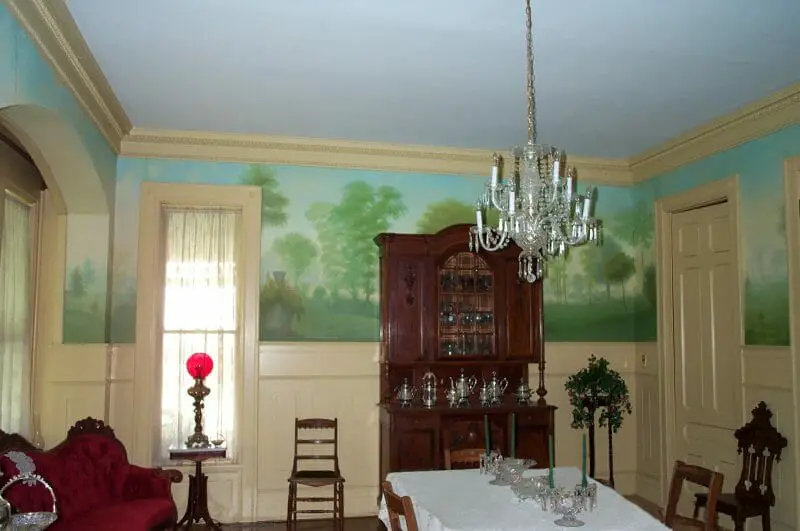
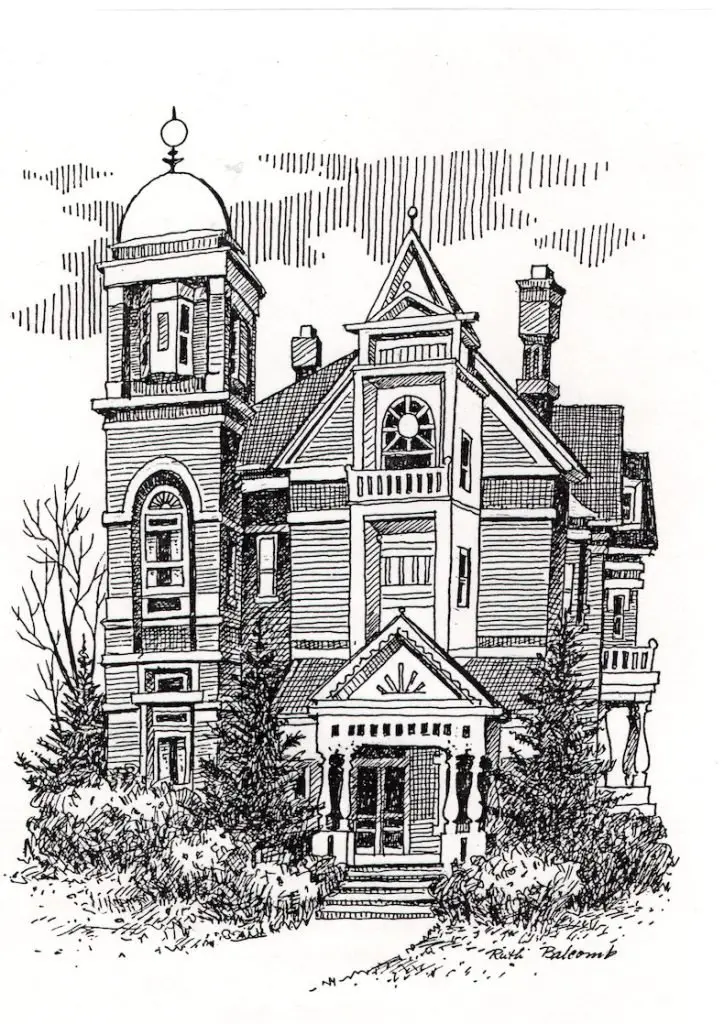
The home itself is a masterpiece of Victorian Gothic design, a style that emphasizes verticality, ornate detailing, and intricate craftsmanship. From the moment one approaches, the house commands attention with its striking tower that rises elegantly over South Main Street. Decorative brickwork, elaborate wood trim, and intricate arched windows speak to the artistry of late 19th-century builders. The walls—an impressive three bricks thick—demonstrate both the wealth and foresight of its original owner, offering superior insulation and strength long before modern building codes required it. Inside, nearly every surface bears evidence of exceptional craftsmanship. A hand-carved staircase, patterned wood floors, and no fewer than eleven fireplaces give the house a sense of grandeur rarely seen in residential construction today. Spanning roughly 6,694 square feet and comprising 22 rooms, this home was built not only for living but for lasting.
Like all great historic homes, the Carlin House has a lineage of owners who have each contributed to its story. In 1894, it was purchased by Seabury Newton Emery Priddy for $11,000—an extraordinary figure at the time that reflected its prestige in the local real estate market. Upon his passing in 1912, the property changed hands to William and Nelle Brown, who paid $12,000 and set about modernizing the house to fit the evolving tastes of the early 20th century. Their renovations refreshed the home’s interior while preserving its distinctive character, ensuring it remained a symbol of elegance and refinement.
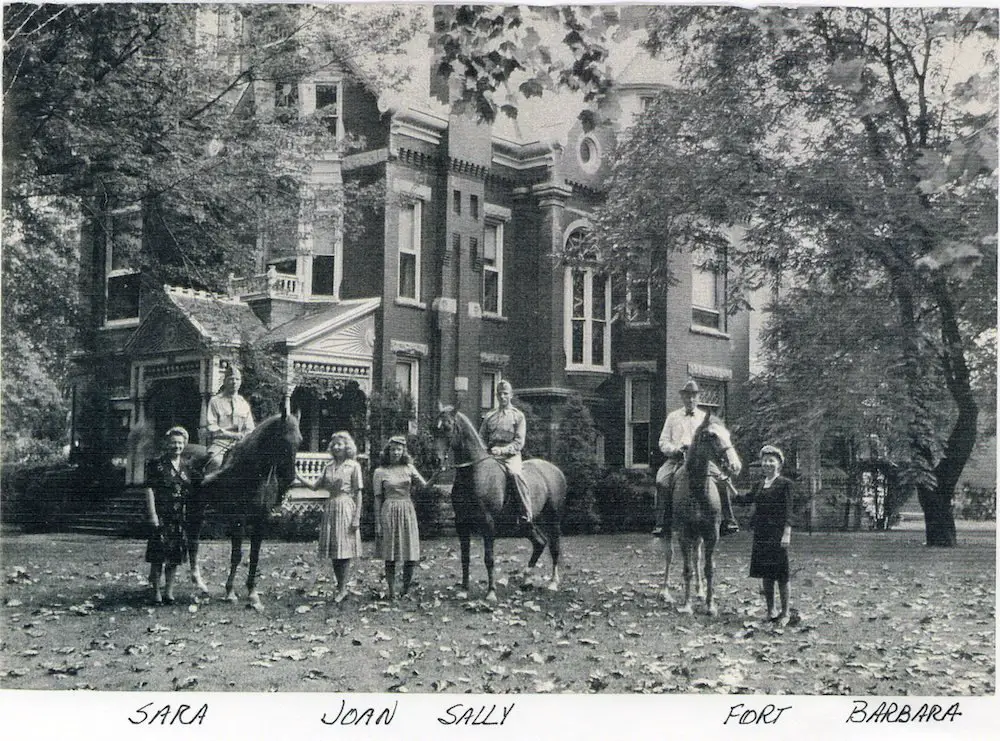
The next chapter began in 1920 when H. Fort and Sara Mather Flowers acquired the residence. Renaming it “High Tower,” the Flowers family added another layer of history to the property. Under their stewardship, the home became a social and cultural landmark within Findlay, its name evoking both the towering architecture and the high regard in which it was held.
The Carlin House entered a new era of preservation and appreciation in 1982 when Mike and Cindy Leister purchased the property. Their commitment to restoration was as much a labor of love as it was an act of historical stewardship. Cindy, a local teacher and counselor, possessed a deep reverence for Findlay’s architectural history and was determined to maintain its beauty for future generations. Together, the Leisters dedicated themselves to meticulous restoration—reviving the original woodwork, maintaining the ornate fixtures, and preserving the intricate brick patterns that make the home so visually distinctive. Over time, they formed a deep emotional bond with the house itself. Cindy once remarked, “We feel like this home loves us,” a sentiment that perfectly captures the unique relationship between caretaker and creation that defines great preservation work.
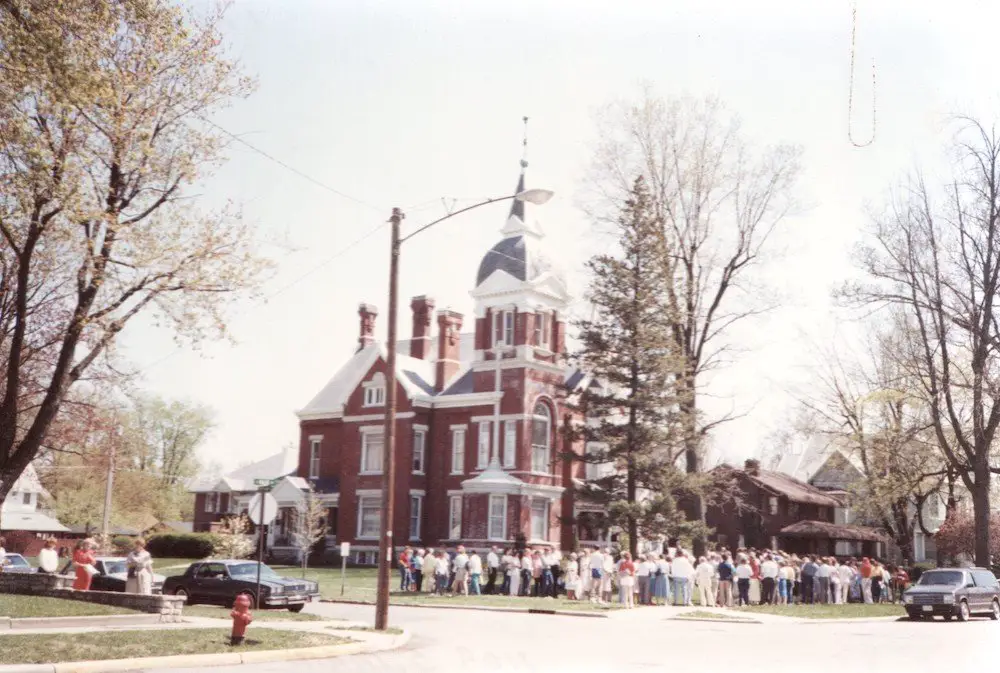
The Leisters didn’t just restore the Carlin House—they shared it. Over the years, they opened their doors for numerous community and cultural events, from civic luncheons to heritage celebrations. The house has been a featured stop in several Findlay Historic Homes Tours, including the landmark tours of 1988 and 2000, and hosted the 1996 Victorian Dinner—an elegant affair that brought history to life for locals and visitors alike. Through these gatherings, the Carlin House became more than a private residence; it became a shared experience, a chance for the community to step inside one of Findlay’s most treasured landmarks and appreciate firsthand the artistry and ambition of the city’s founders.
For those in the real estate world, the Carlin House represents a rare blend of architectural distinction and historical significance—qualities that make it both a remarkable home and an exceptional investment. While modern houses for sale may offer convenience and technology, few can match the soul, craftsmanship, and legacy found within walls like these. To own a property of this caliber is to become a steward of history, preserving a tangible link to a time when homes were built not just for shelter, but for statement.
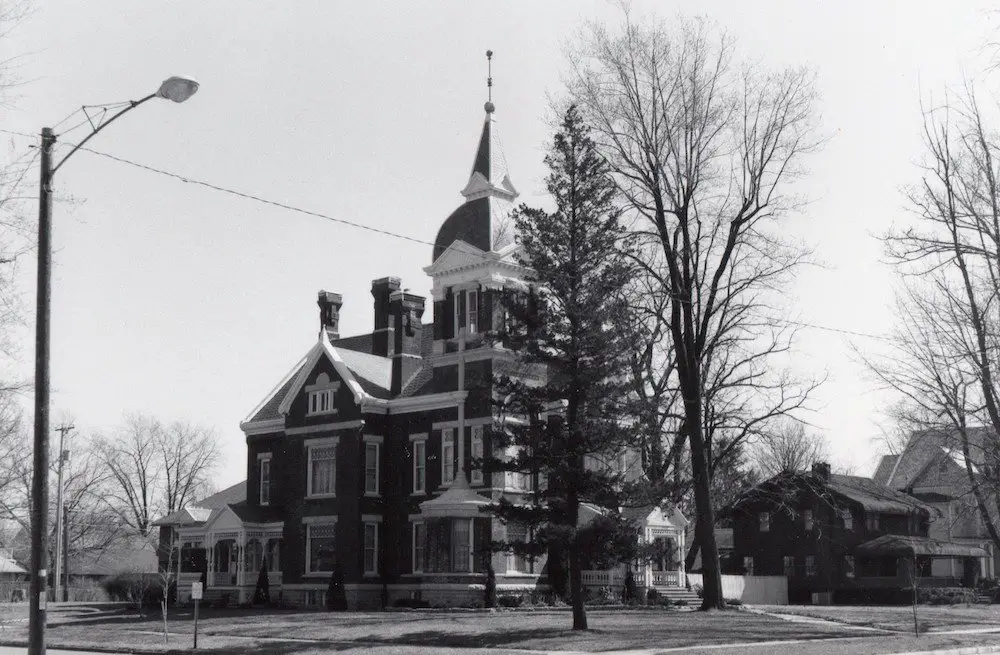
Every detail of the Carlin House tells a story—from the way the morning light filters through its arched windows to the intricate patterns of its brick and woodwork. It’s a house that invites admiration yet still feels like a home, with a warmth and depth that modern construction rarely achieves. Its long line of owners, each contributing their own chapter, speaks to its resilience and timeless appeal. This isn’t just another listed property—it’s a piece of living history, one that continues to shape Findlay’s architectural and cultural identity.
Today, as Findlay continues to grow and evolve, the William Luther Carlin House stands as a magnificent testament to the city’s origins and its enduring appreciation for beauty, craftsmanship, and community spirit. Its preservation reflects not just the efforts of those who have lived within its walls, but the collective pride of a city that values its past as much as its future.
To walk through this home is to step back into an era of elegance and artistry, to feel the echoes of generations who lived, worked, and dreamed within its walls. It’s a reminder that real estate is more than a transaction—it’s about legacy, belonging, and the stories that homes carry forward. For anyone seeking a property that embodies both grandeur and history, the William Luther Carlin House remains one of Findlay’s crown jewels, a living monument to vision, leadership, and the enduring beauty of a well-built home.
Photos: